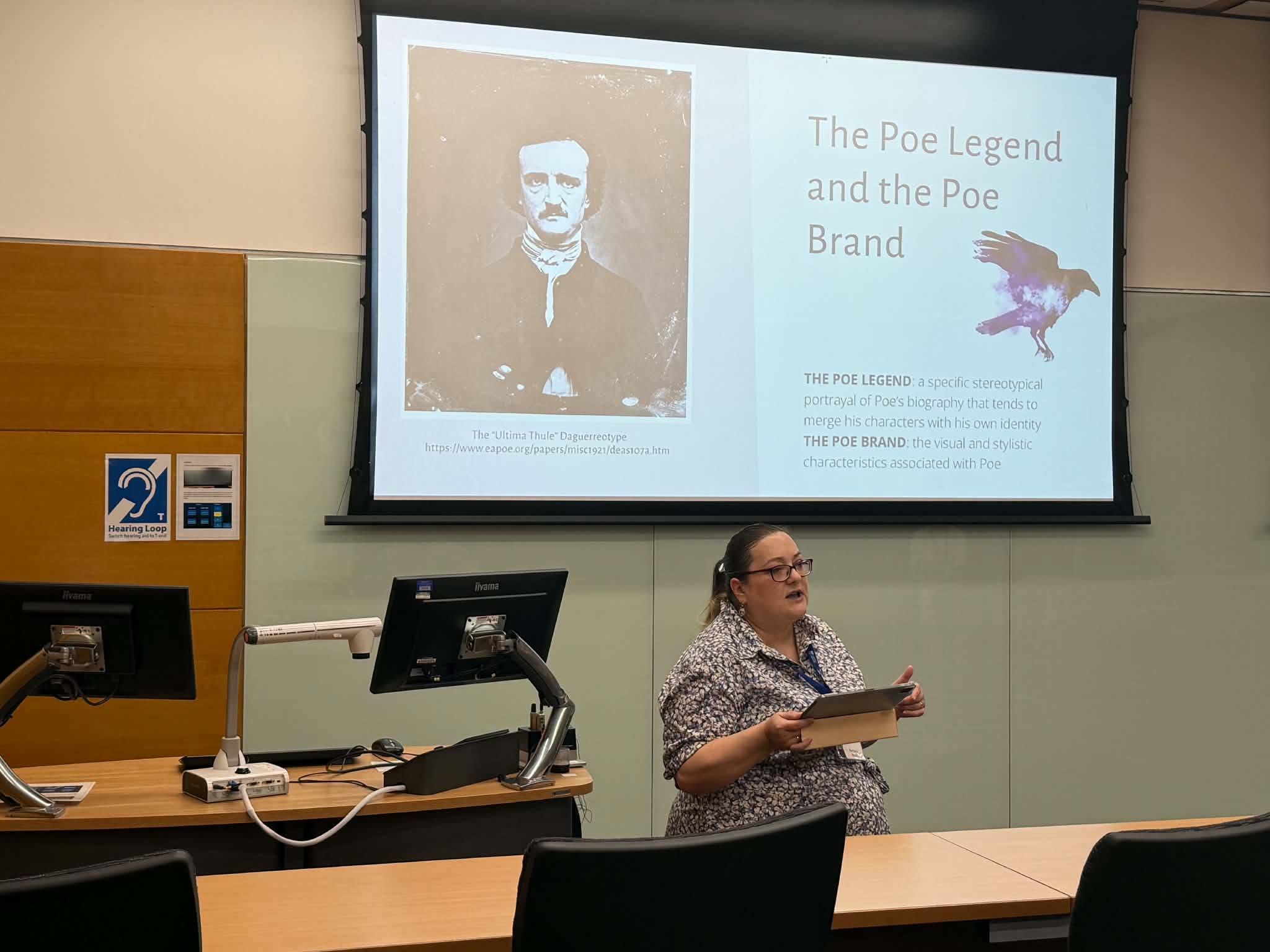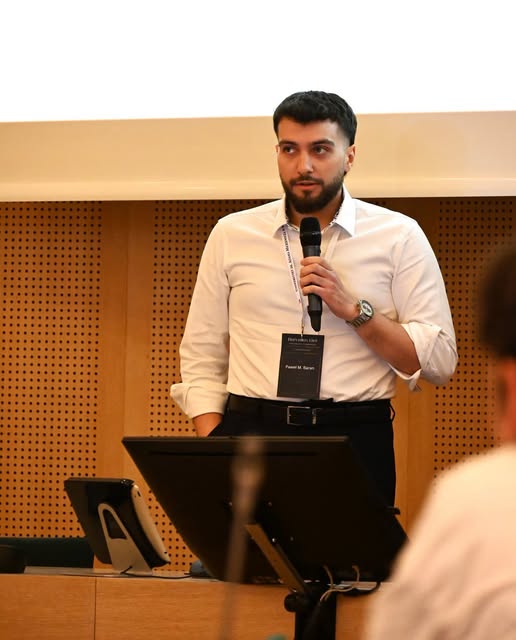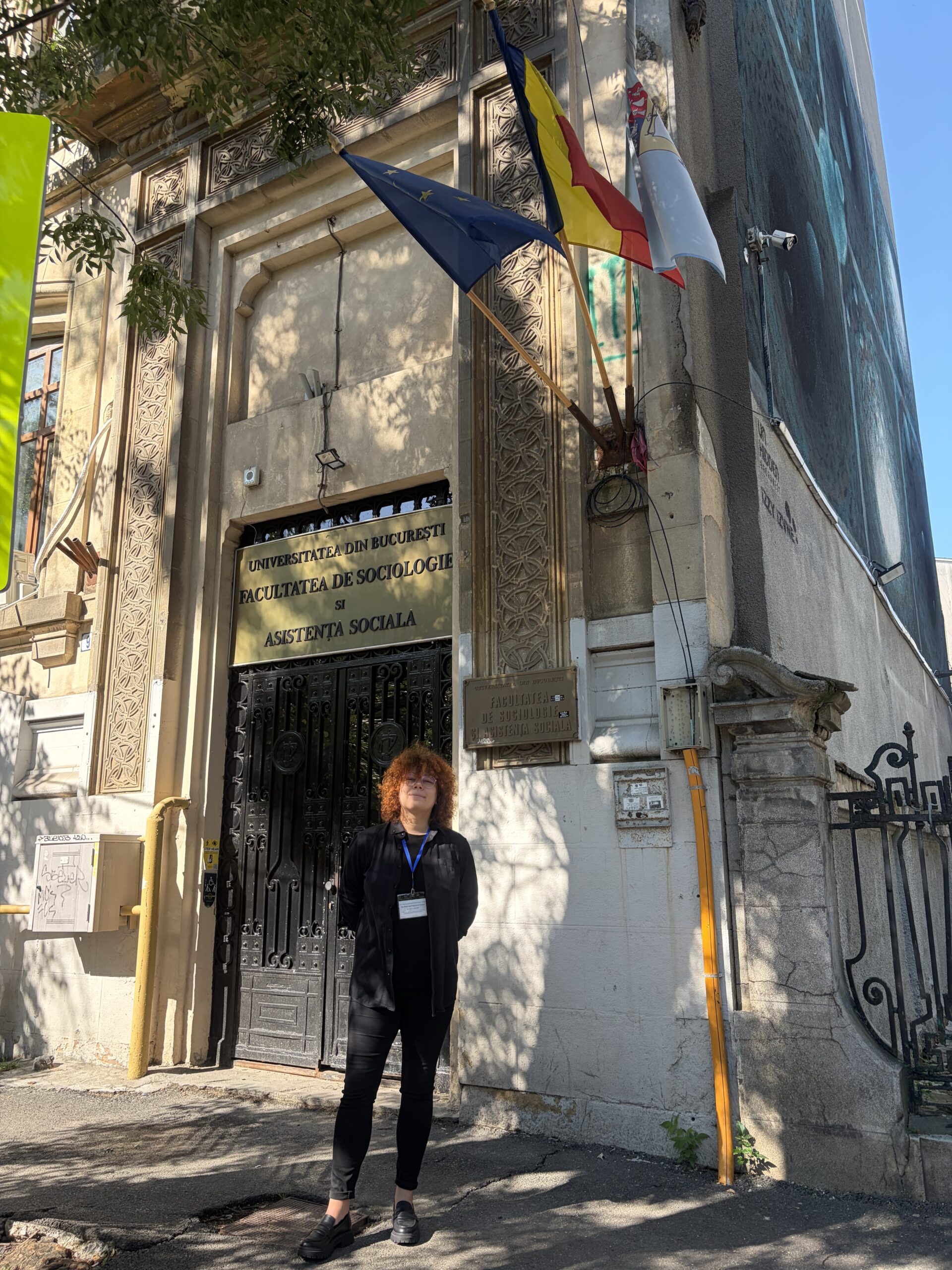
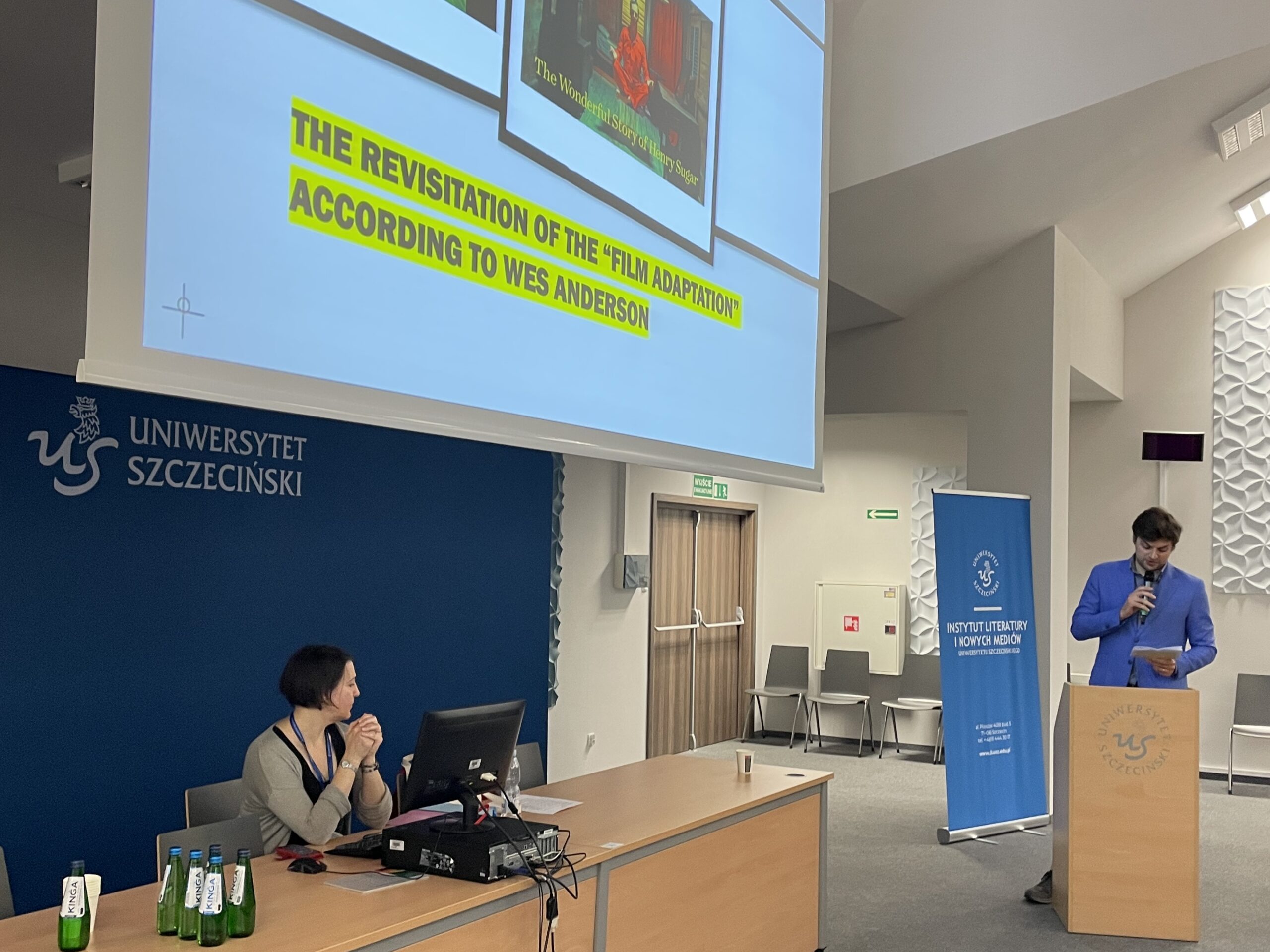
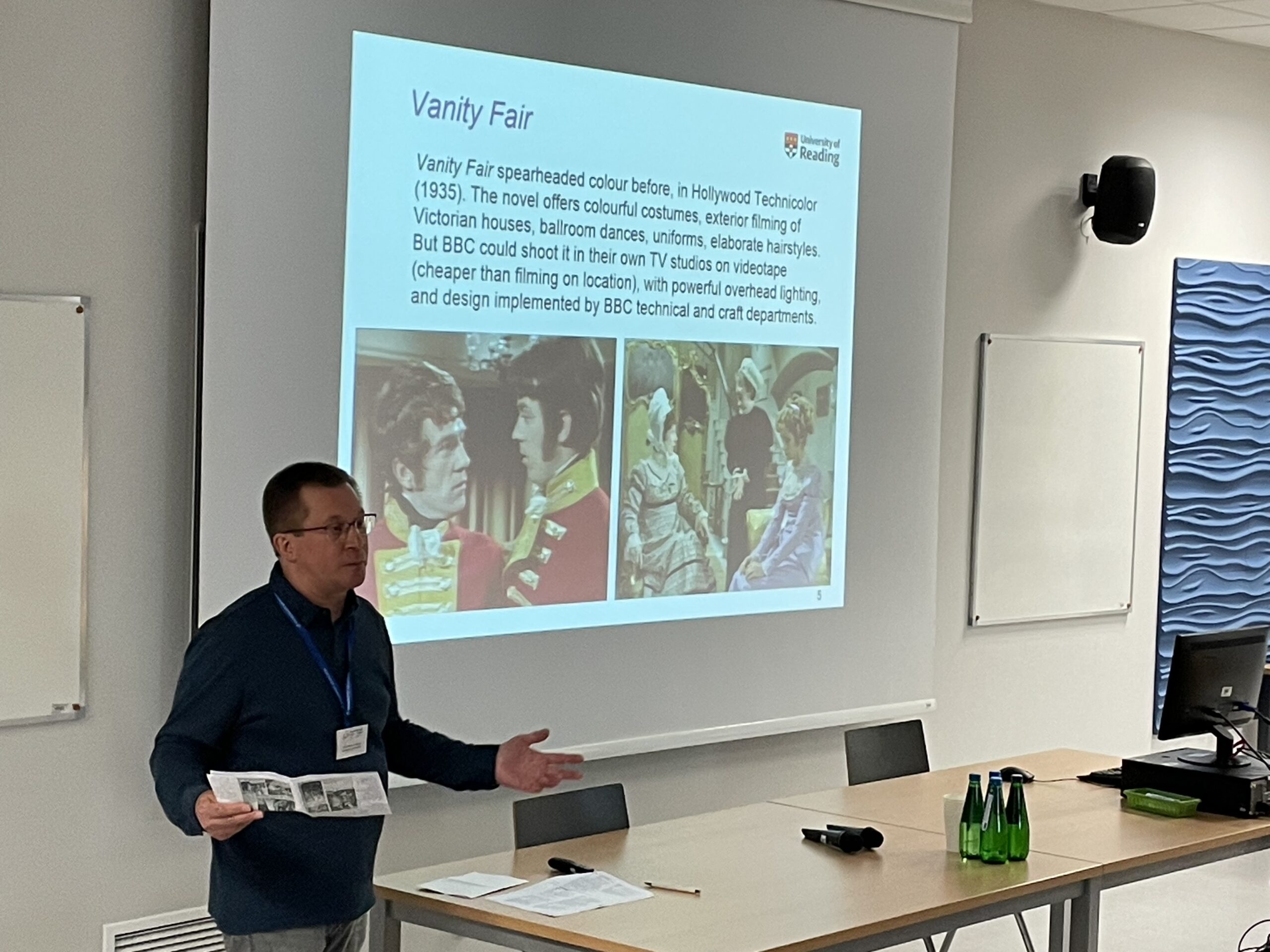
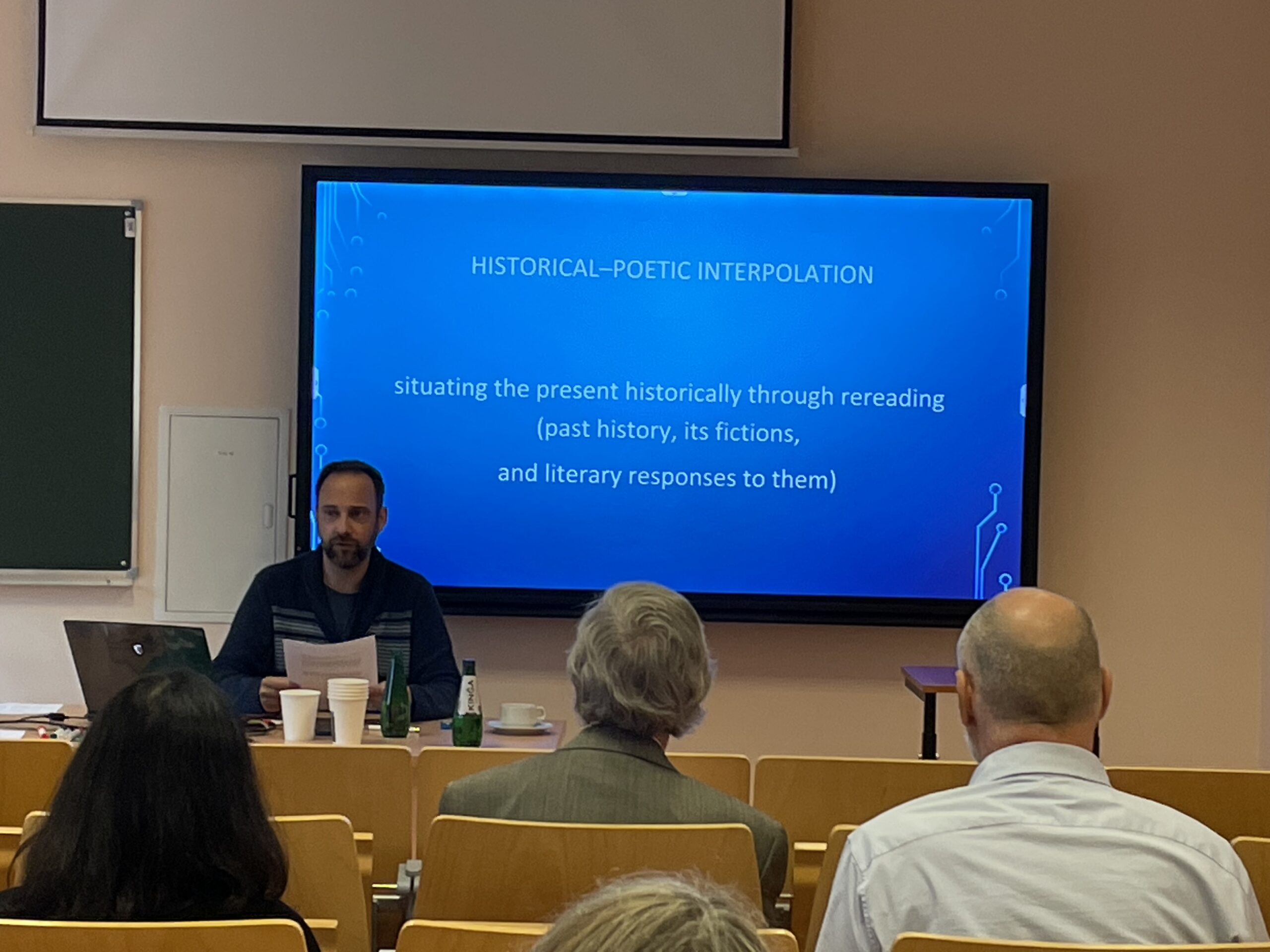
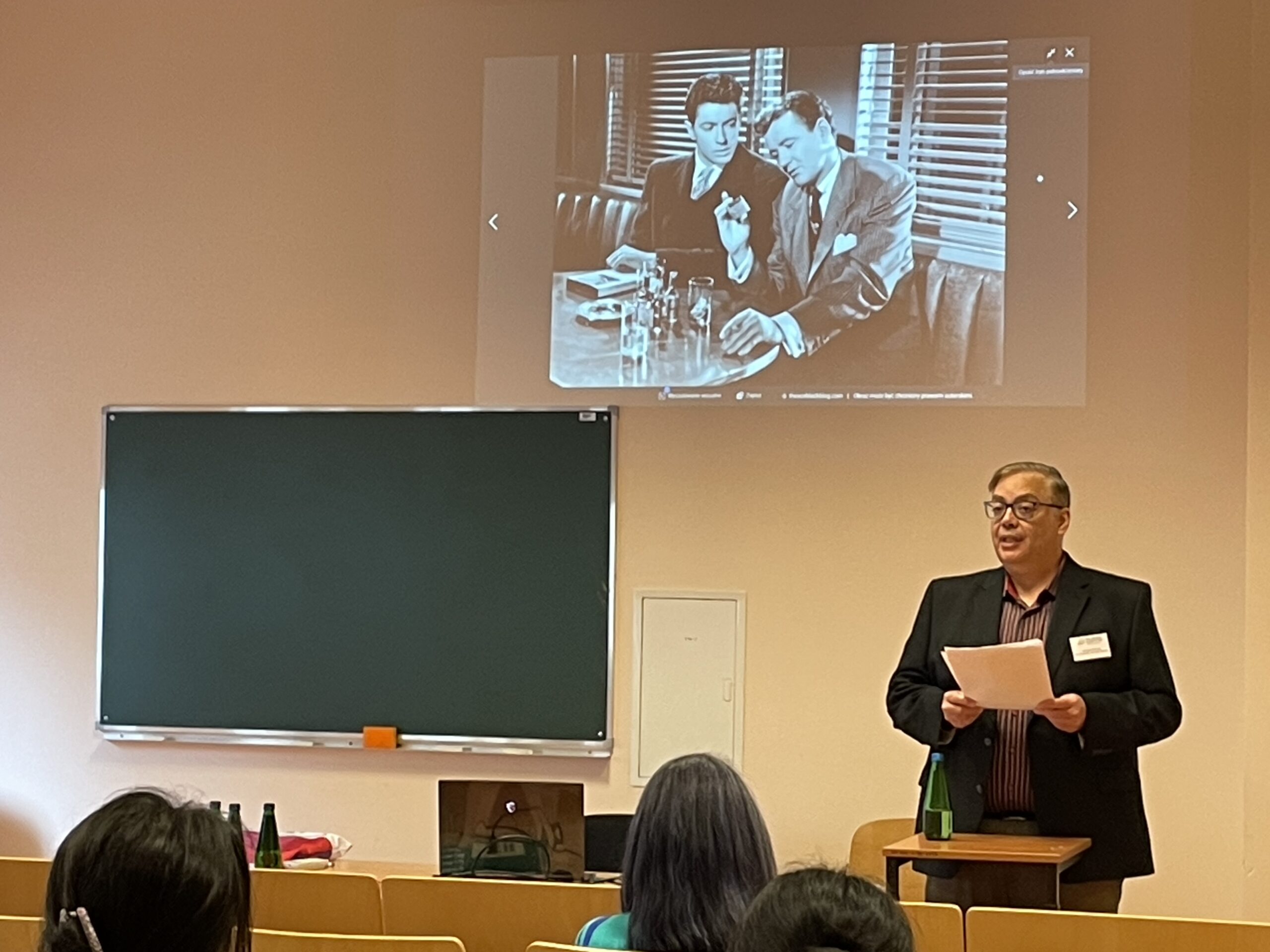
Trwa trzeci, ostatni dzień konferencji „Time and Space in Adaptation”. Dzisiaj ok. 100 badaczy z całego świata obraduje w czterech panelach tematycznych. Zamieszczamy fotorelację z każdego z nich. Wyniki swoich badań zaprezentowali m.in.: Massimiliano Morandi, Università Cattolica del Sacro Cuore, temat wystąpienia The Revisitation of the “Film Adaptation” According to Wes Anderson (panel Palimpsestuous adaptation, prowadzony przez Colleen Kennedy-Karpat, Department of Communication and Design Bilkent COMD); Jonathan Bignell, University of Reading, temat wystąpienia Heritage and Innovation: Colour Television and the BBC Adaptation of Vanity Fair (panel Mise-en-scène in adaptation, prowadzony przez Beata Zawadka, Uniwersytet Szczeciński); Kristopher Mecholsky, Savannah College of Art and Design SCAD – The University for Creative Careers, temat wystąpienia Adaptation, Complexity, and Historical–Poetic Interpolation (panel Adapting history, prowadzony przez Thomas Leitch, University of Delaware); David Greven, University of South Carolina, temat wystąpienia The Double’s Endurance: Strangers on a Train , Race, and Queer Temporality (panel Queer temporalities, prowadzony przez Jacqueline V. Woroniec, Uniwersytet Szczeciński). Konferencję zakończy dzisiaj wieczorna wycieczka po Szczecinie.
Patronat nad wydarzeniem objął JM Rektor Uniwersytetu Szczecińskiego. Głównymi organizatorami konferencji są: Zespół do Badań Literatury i Kultury Popularnej przy Instytucie Literatury i Nowych Mediów US oraz Wytwórnia Filmów Dokumentalnych i Fabularnych w Warszawie przy wsparciu studentów z Koła Naukowego Kultury Popularnej Cultura Popularis i we współpracy z Zamkiem Książąt Pomorskich w Szczecinie.
Przez trzy dni badacze z całego świata dyskutują o tym, jak różne konfiguracje czasu i przestrzeni wpływają na adaptację filmową, zarówno jako produkt i jako proces.
Konferencji towarzyszy wiele dodatkowych wydarzeń, m.in. dyskusja panelowa „New Polish Adaptations”, w której udział wezmą: Gabriela Łazarkiewicz – współscenarzystka „Zielonej granicy”, Katarzyna Tybinka i dr Anna Gabryś, scenarzystki „Polowania na ćmy” i Łukasz M. Maciejewski, współscenarzysta „Króla”. W ramach konferencji odbędzie się także pokaz specjalny filmu „Chłopi” i spotkanie z reżyserem i producentem tego filmu Hugh Welchmanem.
Językiem konferencji jest j. angielski.
Strona internetowa konferencji: https://aas2024.usz.edu.pl/
English:
The nineteenth edition of the international academic conference „𝗧𝗶𝗺𝗲 𝗮𝗻𝗱 𝗦𝗽𝗮𝗰𝗲 𝗶𝗻 𝗔𝗱𝗮𝗽𝘁𝗮𝘁𝗶𝗼𝗻” take place on 𝗝𝘂𝗻𝗲 𝟱-𝟳, 𝟮𝟬𝟮𝟰, at Mickiewicza 16 and 16a, as well as the Zamek Książąt Pomorskich w Szczecinie. Eighty delegates from around the world will be able to take part in events such as:
🔹 A pleneary lecture by Prof. Jerome de Groot (University of Manchester, UK), a well-known researcher of the historical novel and the use of history in popular media.
🔹 A special showing of the film „The Peasants” in English, followed by a meeting with the film’s director Hugh Welchman.
🔹 A panel discussion about Polish productions from recent years that are available worldwide on streaming platforms. The panel will feature Gabriela Łazarkiewicz-Sieczko (co-writer of the film „Green Border”), Anna Gabryś and Katarzyna Tybinka (screenwriters of the series „Moth Hunting”), and Lukasz M. Maciejewski (co-writer of the series „King” and the film „Red Spider”, among others).
𝗧𝗵𝗲 𝗲𝘃𝗲𝗻𝘁 𝗶𝘀 𝗰𝗹𝗼𝘀𝗲𝗱 𝘁𝗼 𝘁𝗵𝗲 𝗽𝘂𝗯𝗹𝗶𝗰.
The conference’s main organisers are Morphing Culture(s) Research Group at Instytut Literatury i Nowych Mediów US, and WFDiF Film Studios in Warsaw, with the help of students from Koła Naukowego Kultury Popularnej Cultura Popularis, and collaboration with Zamek Książąt Pomorskich. The conference received the Honorary Patronage of the Rector of the University of Szczecin.
The conference will be conducted in English.
Conference website: https://aas2024.usz.edu.pl/